Somewhere out there a vendor is pitching you a “reputation funnel”: first ask the customer how their experience was, then send the happy ones to Google and quietly route the unhappy ones to a private feedback form. It sounds like smart filtering. It’s called review gating, and Google’s review policies prohibit it explicitly — the rule is that businesses must not “discourage or prohibit negative reviews, or selectively solicit positive reviews.”
Why Google cares
Reviews are Google’s product. Their entire value is that a rating roughly reflects what a random customer experiences — and gating breaks that promise by sampling only the delighted. A gated 4.9 and an honest 4.9 look identical on the surface, which is precisely why Google treats gating as manipulation rather than marketing.
The enforcement risk is asymmetric. Detected gating can mean removed reviews or restrictions on your profile — years of accumulated social proof wiped because of the tool you used to collect it. Even when Google never notices, savvy customers increasingly do: a profile with hundreds of reviews and not a single critical one doesn’t read as excellent, it reads as filtered.
The line between gating and asking well
Not everything that increases good reviews is gating. The distinction is simple: gating filters who gets asked based on sentiment; good practice changes when and how everyone gets asked.
- Compliant: asking every customer, at the moment of peak satisfaction, with a frictionless method like a tap card.
- Compliant: collecting private operational feedback and inviting public reviews — as parallel channels open to all customers, not as a sentiment switch.
- Gating: a pre-survey that decides who sees the Google link.
- Also banned: paying, discounting or gifting for reviews, and bulk-soliciting from people who aren't customers.
The honest system wins anyway
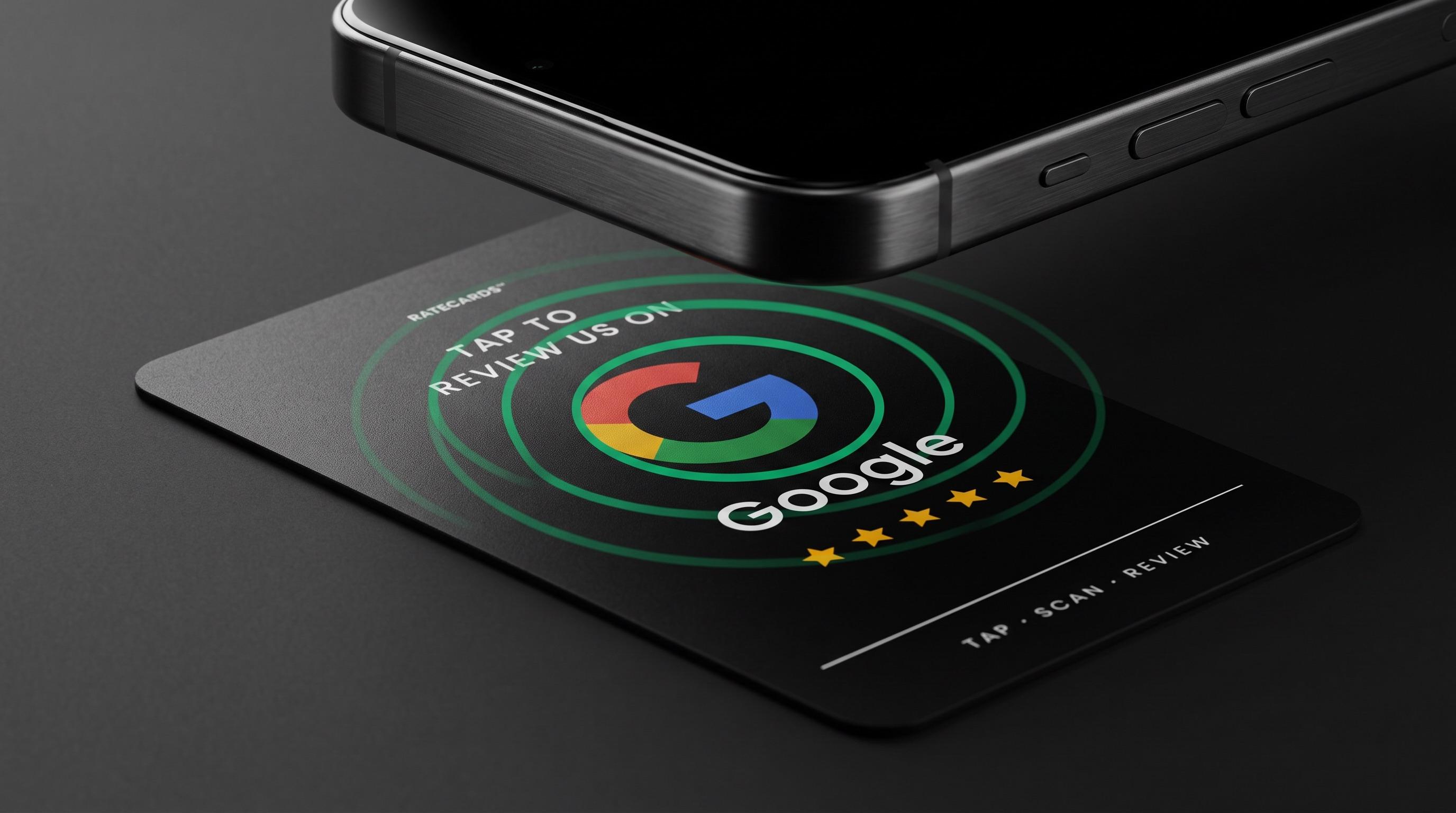
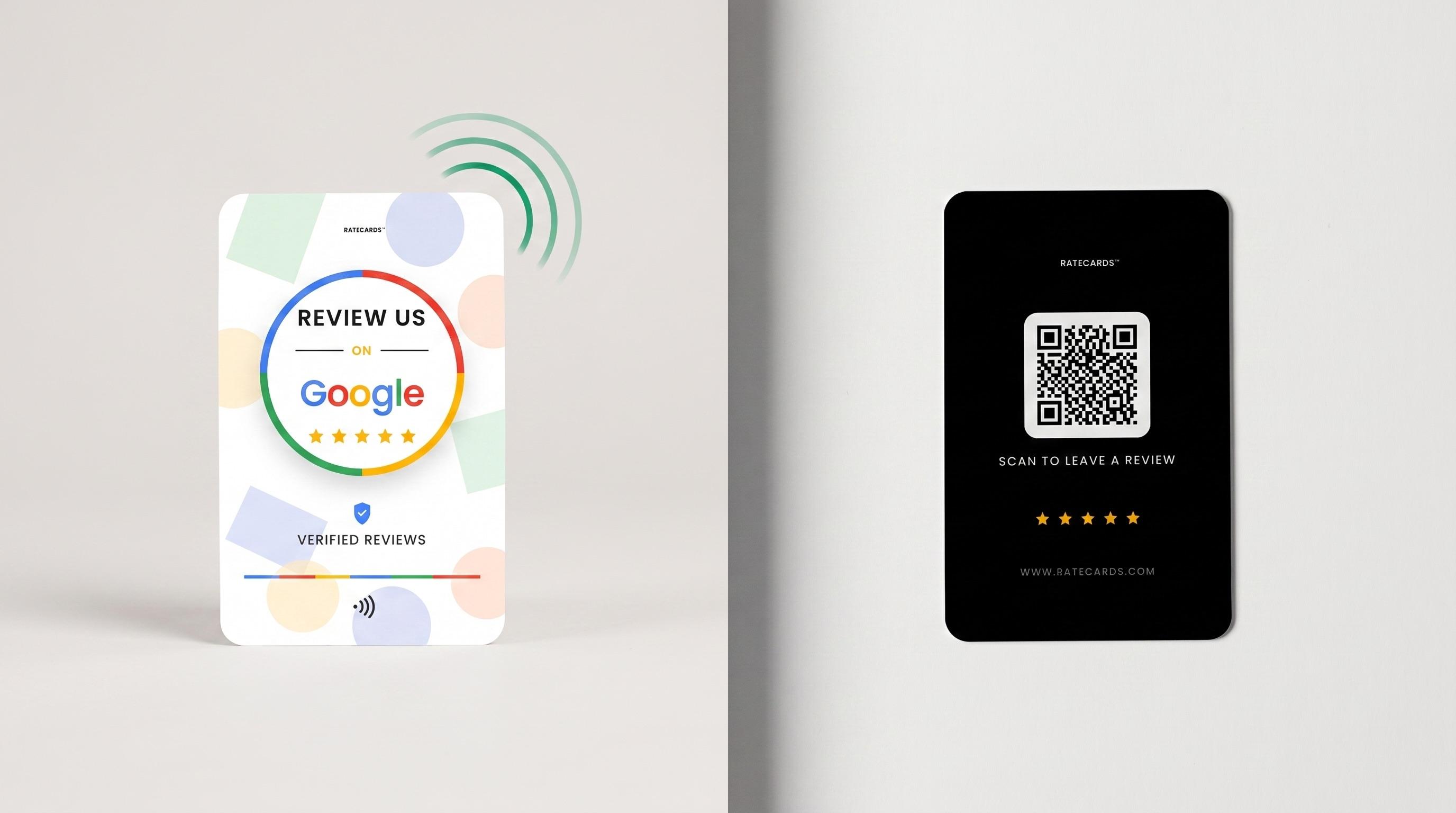
Here’s the practical consolation: gating mostly exists to protect thin review counts from occasional bad experiences. Volume solves the same problem honestly. When every service interaction ends with an effortless, universal ask, your rating converges on your true service quality — and the occasional two-star lands in a sea of genuine five-stars where it belongs. RATECARDS is built for exactly that model: one tap, offered to everyone, no filter in between.